Hiking With an Australian Shepherd Off Trail
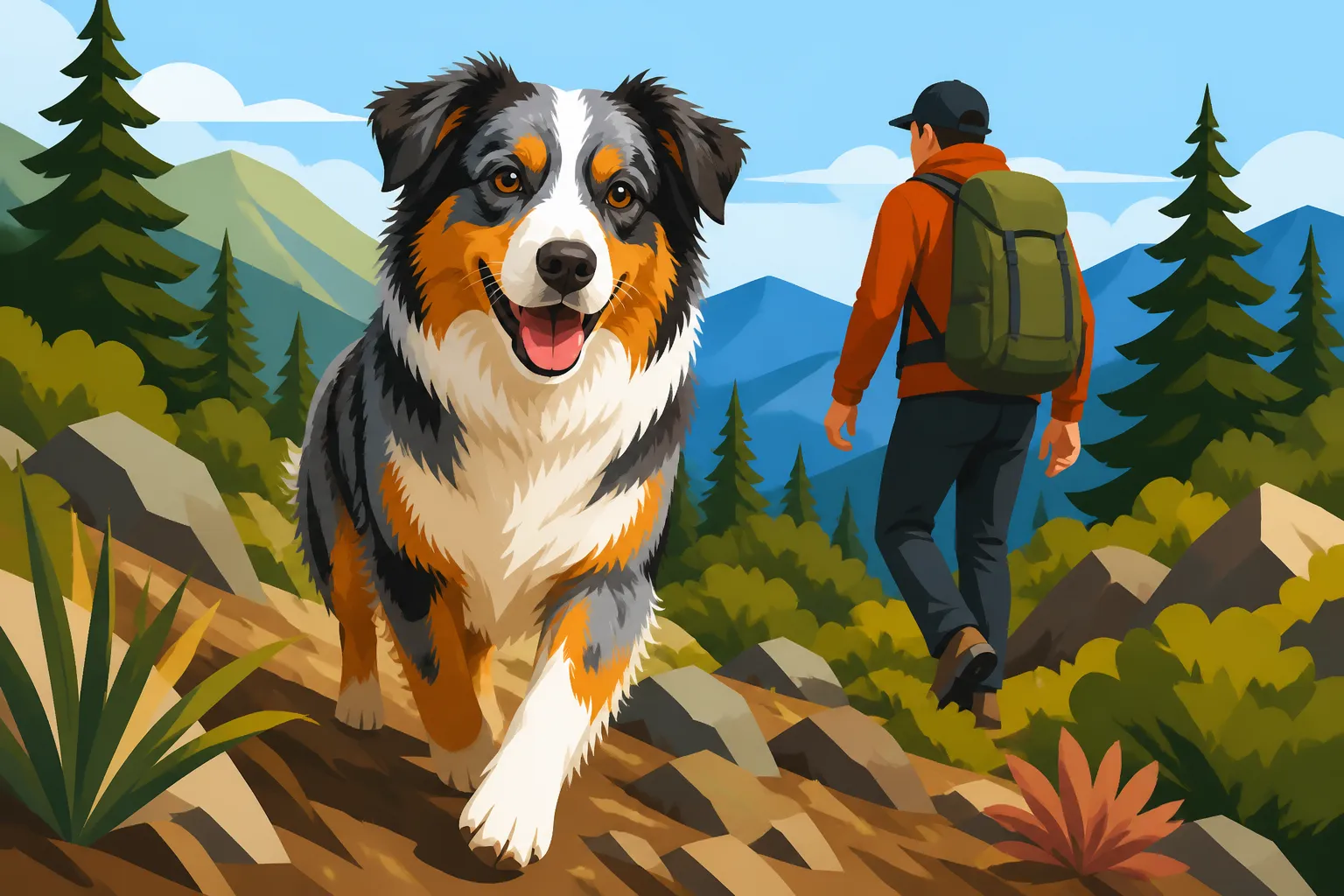
There’s a special thrill that comes with taking your Australian Shepherd off the beaten path, isn't there? The freedom of a winding deer trail, the rustle of leaves underfoot, the pure joy in your Aussie’s eyes as they explore uncharted territory – it’s a shared adventure that builds an incredible bond. However, off-trail hiking with an Australian Shepherd isn't just a longer version of a walk in the park; it demands a different level of preparation and awareness. This guide is all about helping you understand the unique challenges and joys, ensuring both you and your adventurous Aussie stay safe, happy, and ready for whatever the wilderness throws your way.
Understanding the "Off-Trail" Difference for Your Aussie
When we talk about "off-trail," we're not just referring to paths that are a little less paved. We're talking about unmaintained paths, game trails, or even venturing into areas with no discernible trail at all. This kind of exploration taps directly into your Australian Shepherd's primal instincts and physical capabilities in ways that a groomed park path simply doesn't.
The Instinctual Drive of an Australian Shepherd
Your Aussie was bred for work, for thinking independently, and for covering varied terrain. Their herding drive, while usually focused on livestock or family members, can be easily triggered by wildlife. A deer darting across the path, a rabbit bolting from a bush, or even the scent of a distant critter can switch on that intense focus, often overriding their recall. On a paved trail, there are fewer such temptations, and usually more people to help if they decide to chase. Off-trail, however, the environment is wilder, and the stakes are higher. You’re relying purely on your bond and training, and sometimes, even the most well-trained Aussie can have a moment of instinctual override. Understanding that this drive is part of their DNA – The Australian Shepherd Herding Drive You Cannot Train Out – is key to managing their behavior in unpredictable environments.
Physical Demands Beyond a Leash Walk
Think about the terrain. Off-trail means roots, rocks, uneven ground, fallen logs, thick underbrush, and potentially steep inclines or declines. This isn't just a workout; it's a test of balance, agility, and endurance. Your Aussie's strong, athletic build is certainly an advantage, but it also means they might push themselves harder than is wise, especially if they're caught up in the excitement of the chase or the joy of exploration. Unlike a groomed path where you can easily spot hazards, off-trail hides things: sharp sticks, thorny bushes, slippery mud, or unstable ground. This constant navigation puts a different kind of strain on their joints, muscles, and paw pads.
Environmental Challenges and Hidden Hazards
Beyond the physical terrain, off-trail environments present a host of biological challenges. Ticks and fleas are rampant in tall grasses and wooded areas, especially during warmer months. Checking an Australian Shepherd for Ticks becomes a non-negotiable part of your post-hike routine. Foxtails, burrs, and various seeds can embed themselves deep within their double coat and paw pads, leading to painful infections if not removed promptly. Snakes, poisonous plants, and even larger wildlife like coyotes or bears might be present, depending on your region. Furthermore, water sources might be stagnant or contaminated, and unexpected weather changes can turn a pleasant hike into a perilous situation very quickly. Knowing these risks helps you prepare, not just for the hike itself, but for everything that comes with truly immersing yourselves in nature.
Essential Preparations for Off-Trail Adventures
Before you even think about lacing up your boots and heading into the wilderness with your Aussie, a solid foundation of preparation is crucial. This isn't just about packing snacks; it's about training, gear, and knowing your dog's limits.
Training for the Untamed Path
Your Aussie needs more than just basic obedience for off-trail hiking. A rock-solid recall is paramount. Imagine your dog rounding a bend and spotting a deer – you need them to instantly pivot and return to you, even with all that tempting instinct pulling them away. Practicing Australian Shepherd Recall Off a Squirrel in varied environments, gradually increasing distractions, is vital. This often means using a long line in open, safe spaces before trusting them off-leash in truly wild territory. They also need to be comfortable walking calmly on a loose leash, even when exciting smells abound, because there will be times when keeping them leashed is the safest option, such as near steep drop-offs or known wildlife areas.
Beyond recall, "stay" and "leave it" commands become lifesavers. "Leave it" isn't just for dropped food; it's for snakes, questionable berries, or sharp objects. "Stay" can keep them safe while you navigate a tricky section or need them to wait for you to catch up. Exposure to different surfaces – rocks, mud, water – during shorter, on-leash walks can also build confidence and proprioception, helping them navigate more challenging terrain later.
Gear for Canine and Human Safety
Packing the right gear can make or break an off-trail adventure. For your Aussie, a well-fitting harness (rather than just a collar) provides better control and distributes pressure more evenly, especially if you need to guide them over an obstacle. A long line, even if they're primarily off-leash, is an invaluable tool for practice and for situations where a quick, temporary leash is needed. Consider a high-visibility vest for your dog, especially if hunting is permitted in the area or if their coat blends in with the surroundings.
Here’s a quick checklist of essentials to pack:
| Item | Purpose | Notes |
|---|---|---|
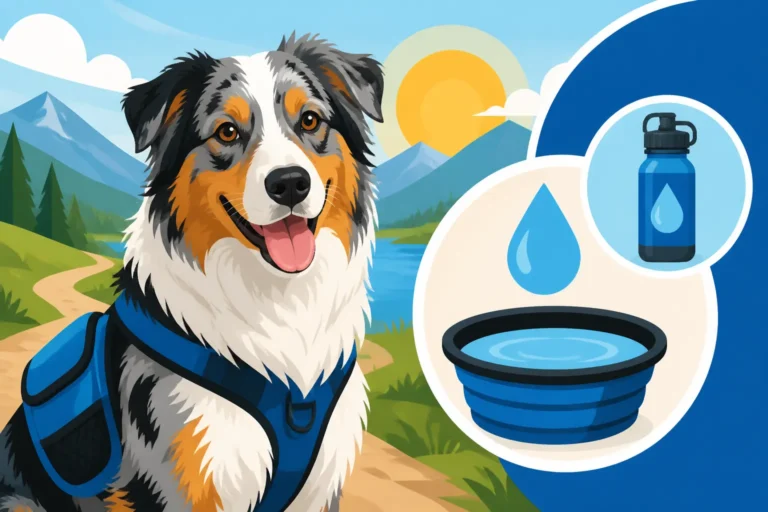
| Water & Bowl | Hydration for both of you | Collapsible bowls are great. Carry more than you think you need. |
| High-Quality Treats | High-value rewards for recall, focus, and motivation | Use something truly irresistible. |
| First-Aid Kit | For cuts, scrapes, paw injuries, insect stings, tick removal | Include saline wash, antiseptic wipes, gauze, vet wrap, tweezers. |
| Leash & Harness/Collar | Control, identification | Always have a leash, even if off-leash trained. |
| GPS Tracker/ID Tag | Locating a lost dog, identification | Essential for off-trail. Ensure tags are up-to-date. |
| Waste Bags | Leave no trace | Pack it in, pack it out. |
| Paw Protection | For rough terrain or injuries | Dog boots can protect paws from sharp rocks or thorns. |
| Whistle | Alternative recall signal if voice is lost | Can carry farther than your voice in dense woods. |
| Small Towel | Cleaning mud, drying off | Useful for dirty paws or a quick wipe-down. |
For yourself, pack a map and compass (or a reliable GPS device), appropriate footwear, layers of clothing, sufficient food and water, and your own first-aid kit. Brands like Chewy and Amazon offer a wide range of specialized hiking gear for dogs, from durable harnesses to portable water bottles. Don't forget your phone for emergencies, but don't rely on it for navigation off-trail as signal can be spotty.
Conditioning Your Aussie for Endurance
Just like humans, dogs need to be physically conditioned for demanding hikes. Don't jump straight into a multi-hour trek if your Aussie is only used to neighborhood walks. Gradually increase the duration and difficulty of your outings. Start with longer walks on varied terrain, then progress to short hikes, slowly building up their stamina. Pay attention to their Australian Shepherd Paw Injuries From Hard Running and be sure their paw pads are toughened up. Good nutrition is also vital. A high-quality diet provides the energy they need. Some owners opt for fresh food options from services like Ollie, ensuring their active Aussies get nutrient-dense meals that support their energy levels and recovery.
Remember, a young Australian Shepherd's growth plates are still developing, so intense, long-distance, or high-impact activities should be limited until they are fully mature, typically around 18-24 months. Always consult your vet if you have concerns about your dog's physical readiness for strenuous activity.
Navigating the Wild: Safety and Strategy on the Off-Trail Hike
Now that you're prepared, it's time to hit the trail – or lack thereof! Navigating off-trail requires constant vigilance, smart decision-making, and a deep understanding of your Aussie's behavior.
Maintaining Control and Situational Awareness
Even the best-trained Aussie can get overwhelmed by new sights, sounds, and smells. Keep them within sight at all times, ideally within a distance where you can physically intervene quickly. This might mean adjusting your pace or even putting them on a long line in dense areas. Constant check-ins – calling their name, rewarding their attention – help maintain your connection and ensure they're focused on you. If you're in an area with a lot of potential distractions, like a known wildlife corridor, it might be safer to keep them leashed. Remember that Australian Shepherd Recall Off a Squirrel is a skill that needs constant reinforcement, especially in high-distraction environments.
Pay close attention to your surroundings. Look for signs of wildlife, unstable ground, or potential hazards like sharp rocks or thorns. If you encounter other hikers, especially those with dogs, call your Aussie back and leash them to prevent any unexpected interactions. Many people, and their dogs, are not comfortable with off-leash encounters, and it's always best to be courteous and prevent potential conflicts.
Protecting Paws and Coat from the Elements
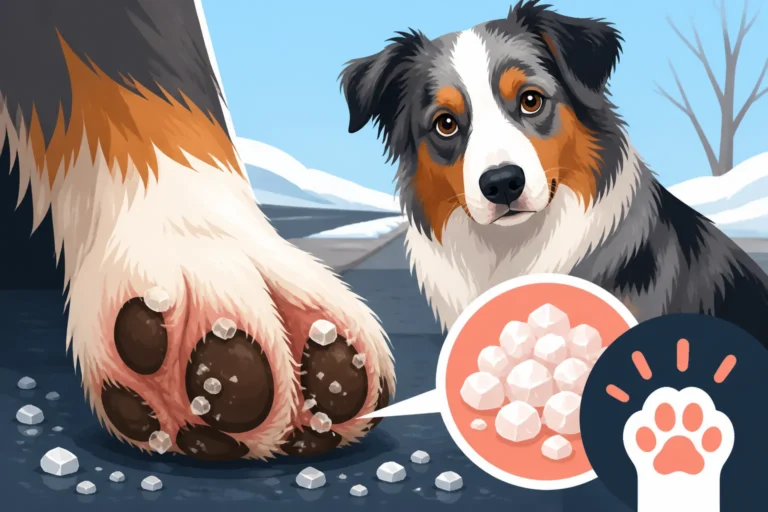
Off-trail hiking can be brutal on an Aussie's paws. Their pads are tough, but prolonged exposure to sharp rocks, abrasive surfaces, or extreme temperatures can cause cuts, blisters, or cracking. Consider using dog boots for extra protection, especially if you're on very rocky terrain or in extreme weather.
The Australian Shepherd's double coat is fantastic for insulation, but it's also a magnet for everything the wilderness has to offer. Burrs, stickers, and especially Grass Seeds and Foxtails in an Aussie Coat can quickly become embedded, causing painful matting or even migrating under the skin. Regularly stop for quick "burr breaks" to remove any debris you find. A small, sturdy comb or brush can be helpful for this. In warm weather, while their double coat offers some sun protection, areas with less hair, like their nose, can still be susceptible to sunburn, especially for Aussies with pink noses. Australian Shepherd Sunscreen on a Pink Nose is a consideration here, as is checking for conditions like Australian Shepherd Pannus and Sun Exposure if your dog has light-colored eyes.
Hydration and Rest Stops
Just like you, your Aussie needs regular hydration, especially when exerting themselves. Carry plenty of fresh water and offer it frequently. Don't let them drink from stagnant puddles or streams, which can harbor parasites like Giardia or Leptospirosis. Even seemingly clear mountain streams can be risky.
Schedule regular rest stops. Let your Aussie lie down, catch their breath, and have some water. Use these breaks to check their paws, ears, and coat for any signs of discomfort or embedded debris. Pay attention to their body language. Excessive panting, lagging behind, or seeking shade could be signs they're overheating or getting tired. On very hot days, it’s best to hike during cooler parts of the day or choose a different activity. Your Aussie's dense coat can make them prone to overheating, so be extra cautious about Exercising an Australian Shepherd Over Eighty Degrees and consider bringing a Cooling Kit That Works Under an Aussie Coat on warmer excursions.
Post-Hike Care: Cleaning Up and Checking In After Your Adventure
You've made it back, tired but triumphant! The adventure isn't quite over yet. Proper post-hike care is essential to ensure your Australian Shepherd recovers well and to catch any potential issues early.
The Full Body Debris and Critter Check
As soon as you get home (or even before getting back in the car), perform a thorough top-to-tail inspection of your Aussie. This is where those off-trail specific hazards really come into play.
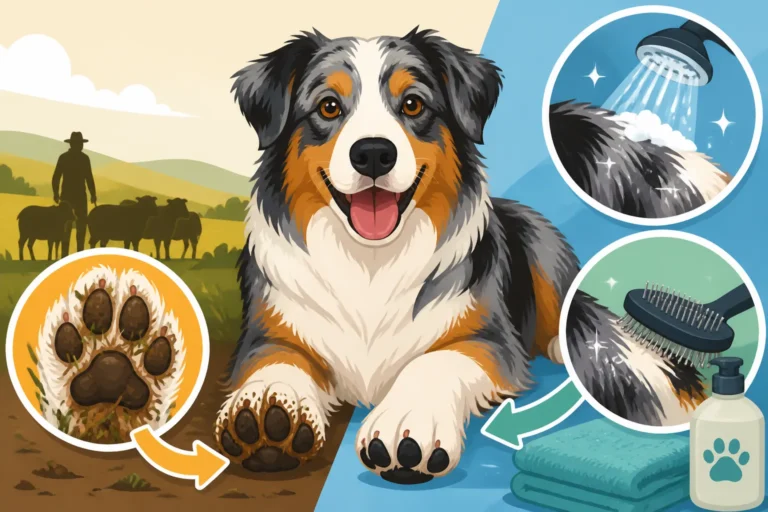
- Paws: Carefully inspect each paw, including between the pads and toes, for cuts, thorns, foxtails, or embedded debris. Australian Shepherd Paw Injuries From Hard Running are common, so check for any redness, swelling, or tenderness. If you see anything stuck deep, you might need tweezers or a visit to the vet.
- Coat and Skin: Systematically comb or brush through their entire coat, paying special attention to the longer feathering on their legs, belly, and behind the ears, where burrs and seeds love to hide. This is also your prime opportunity to do a thorough Checking an Australian Shepherd for Ticks. Feel for any bumps, hot spots, or mats that may have formed. Hot spots, in particular, can develop quickly in an Aussie's dense coat, especially if the skin gets irritated or damp, so check for Hot Spots Hidden in an Aussie Undercoat.
- Ears: Give their ears a good look and sniff. Australian Shepherd Ear Cleaning is important, especially after being in dirty or wet environments. Foxtails or other plant material can easily work their way into the ear canal, causing irritation or infection.
- Eyes: Check their eyes for any redness, irritation, or foreign objects.
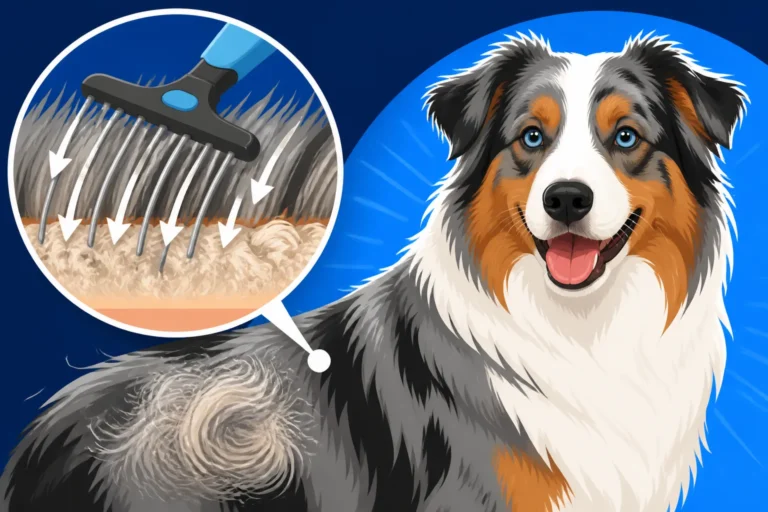
A thorough brush-out will not only remove debris but also help spread natural oils, keeping their coat healthy. Brands like Amazon offer excellent grooming tools, including undercoat rakes specifically designed for double-coated breeds like Aussies.
Hydration, Nutrition, and Rest
Once the checks are done, make sure your Aussie has access to plenty of fresh water. They'll likely be thirsty after their exertion. Offer them a meal if it's mealtime, perhaps a slightly larger portion if it was a particularly strenuous hike, to help replenish their energy stores. If you use a meal subscription service like Ollie, consider if their usual portion needs a small boost based on their activity.
Just as important as food and water is rest. Provide a comfortable, quiet place for your Aussie to relax and recover. Resist the urge for intense play or another long walk immediately after a big hike. Their muscles need time to recover, and they'll likely sleep deeply.
Monitoring for Delayed Symptoms
Even if your Aussie seems perfectly fine immediately after the hike, keep an eye on them for the next 24-48 hours. Watch for any limping, excessive licking of paws, changes in appetite or thirst, lethargy, or signs of an upset stomach. Bloat is a serious concern for deep-chested breeds like Australian Shepherds, and while rare, can be exacerbated by exercise right before or after meals. Understanding Why an Aussie's Deep Chest Raises Bloat Risk is crucial, and monitoring for its warning signs (distended abdomen, unproductive retching, restlessness) is vital. If you notice any concerning symptoms, contact your veterinarian immediately. It’s always better to be safe than sorry when it comes to your adventurous companion's health.
Taking your Australian Shepherd off-trail is an incredible way to bond and provide them with the mental and physical stimulation they crave. With careful preparation, vigilant supervision, and thorough post-hike care, you can safely explore the wild world together for years to come.
Disclaimer
This article is for general informational purposes only and does not constitute professional advice. Laws, prices and regulations vary by location and change over time. Consult a qualified professional for guidance on your specific situation.