Senior Australian Shepherd Care and Slowing Down
Watching your beloved Australian Shepherd start to slow down can be a real emotional journey. These dogs are practically synonymous with boundless energy, sharp minds, and an unshakeable work ethic, so seeing them lose a step or take more naps can be tough to reconcile with the vibrant companion you've always known. This guide is here to help you navigate the golden years with your senior Aussie, offering practical advice and understanding for adjusting their care to ensure they remain comfortable, happy, and loved.
When Does an Australian Shepherd Become a Senior?
It’s easy to think of a "senior dog" as simply an old dog, but for a high-energy, intelligent breed like the Australian Shepherd, the transition into their golden years isn't always a hard line in the sand. Often, it's a gradual shift, marked by subtle changes rather than an abrupt decline. Understanding when your Aussie is stepping into this new phase allows you to proactively adjust their care, ensuring their comfort and well-being.
Age Markers and Individual Differences
Generally speaking, Australian Shepherds typically enter their senior years around 7 to 8 years old, although this can vary quite a bit. A working line Aussie who has spent years herding or competing in demanding sports might show signs of aging earlier, simply due to the wear and tear on their body. Conversely, a more sedate pet Aussie might seem spry well into their ninth or tenth year. It's less about hitting an exact number and more about observing your individual dog. Think of it like people – some folks are running marathons at 70, while others are slowing down in their 50s. Genetics, lifestyle, nutrition, and even early life experiences all play a role in how gracefully your Aussie ages. Some dogs carry the genetic predispositions for certain conditions that might accelerate their physical aging, even if their spirit remains young.
It’s important to remember that the lifespan of an Australian Shepherd is typically Australian Shepherd Lifespan Across Twelve to Fifteen Years, so "senior" doesn't mean "end of life" by any stretch. It means recognizing that their needs are evolving. Your vet will be your best partner in identifying when these changes are becoming significant enough to warrant a shift in routine or diet. They can assess overall health, joint condition, and organ function, providing a professional opinion on your dog's physiological age versus their chronological age.
Subtle Signs of Aging to Watch For
The signs your Aussie is becoming a senior aren't always dramatic. Sometimes, it's just a slight decrease in their enthusiasm for their morning walk, or perhaps they're not quite as quick to greet you at the door. You might notice them sleeping more deeply and for longer periods during the day, or taking a little longer to get up after a nap. Their once endless stamina might now last only half an hour at the dog park before they're ready to head home. These subtle cues are your first indicators that their energy reserves and recovery times are changing.
Beyond energy levels, look for physical changes. Their coat might start to thin or lose some of its luster, or they might develop gray hairs around their muzzle and eyes – the classic "wisdom whiskers." You might notice a bit of stiffness after lying down, particularly in colder weather, or a reluctance to jump into the car or onto the couch like they used to. These could be early indicators of joint discomfort, a common complaint in aging dogs. An Aussie That Stops Reading the Room could also be a sign of cognitive changes. Keep a journal of these observations; sometimes, when you look back over a few weeks or months, a pattern emerges that wasn't obvious day-to-day. This detailed information will be incredibly valuable to your veterinarian during their check-ups.
Adjusting Diet for an Aging Australian Shepherd
As your Australian Shepherd moves into their senior years, their dietary needs will inevitably shift. What fueled their boundless energy as a youngster or a working adult may no longer be appropriate, and sticking to an old routine could inadvertently contribute to weight gain or exacerbate health issues. It's time to re-evaluate their dinner bowl with an eye towards supporting their aging body and mind.
Calorie Needs and Weight Management
One of the biggest changes in a senior Aussie is their metabolism and activity level. They simply don't burn as many calories as they once did. Continuing to feed the same quantity of food they ate in their prime can quickly lead to weight gain, and extra pounds put undue stress on their joints, heart, and other organs, speeding up the aging process and reducing their overall comfort. It's a cruel irony that the very thing we use to show affection – food – can sometimes be detrimental if not managed correctly. You'll likely need to reduce their caloric intake, but it's not just about feeding less; it's about feeding smarter. Feeding an Aussie Once the Work Stops becomes a critical consideration.
Many reputable dog food brands offer senior formulations that are lower in calories and fat, but still provide ample protein to maintain muscle mass, which is crucial for mobility. Look for diets that are also enriched with specific nutrients beneficial for aging dogs. When you're considering a new food, a store like Chewy offers a wide selection, making it easy to compare different senior diets based on ingredients and nutritional content. Always measure your Aussie's food precisely, rather than eyeballing it, and regularly assess their body condition score to ensure they're staying at a healthy weight.
Nutritional Supplements for Senior Health
Even with a well-balanced senior diet, specific supplements can play a vital role in supporting your aging Australian Shepherd's health. Joint support is often top of the list, as Australian Shepherd Arthritis After Years of Work is a common concern. Ingredients like glucosamine, chondroitin, and MSM can help maintain cartilage health and reduce inflammation, offering some relief from stiffness and discomfort. Omega-3 fatty acids, often found in fish oil, are excellent for reducing inflammation, supporting joint health, and promoting healthy skin and a shiny coat, which can sometimes become drier or duller with age.
Beyond joints, cognitive supplements containing antioxidants, B vitamins, and ingredients like SAMe or phosphatidylserine can help support brain function and combat cognitive decline, helping to keep your Aussie's sharp mind engaged. Probiotics can aid digestion, which might become more sensitive as they age. Before adding any supplements, always have a chat with your veterinarian. They can recommend the most appropriate options based on your Aussie's specific health needs and any existing conditions. Brands like Ollie might offer fresh food options with integrated supplements, or you might find standalone supplements readily available on platforms like Amazon.
Making Meals Easier to Eat
As Aussies age, they can experience dental issues, reduced sense of smell, or even difficulty standing comfortably for long periods. These factors can make mealtime less enjoyable, or even painful. If your Aussie is suddenly showing less interest in food or struggling to eat, it's time to investigate. What Changes in an Aussie Bowl at Eleven could be more than just a preference; it could be a physical challenge.
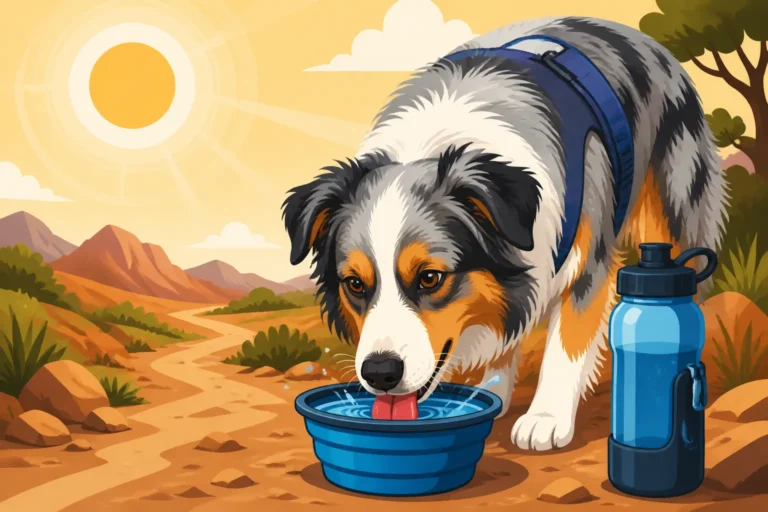
Consider raising their food and water bowls to a more comfortable height using elevated feeders. This reduces strain on their neck and joints, making eating a more pleasant experience, especially for dogs with arthritis. If dental issues are a problem, switching to softer food, or adding warm water to their kibble to create a softer mash, can make a huge difference. For Aussies with a diminished sense of smell, adding a little wet food, a spoonful of broth, or even some safe human foods (like plain cooked chicken or pumpkin puree) can make their meals more enticing. Softening Meals for an Old Aussie can truly reignite their interest in eating. Always ensure fresh water is readily available, and consider multiple water stations around the house to encourage hydration.
Maintaining Appropriate Exercise for Senior Aussies
The word "exercise" for an Australian Shepherd usually conjures images of boundless energy, agility courses, or long hours spent herding. As they age, this picture needs to evolve. While their drive to move might still be there, their body's capacity for intense activity will naturally decrease. The key is to shift from high-impact, endurance-based activities to more gentle, supportive forms of movement that keep their muscles strong and joints mobile without causing pain or injury.
Rethinking the Daily Walk
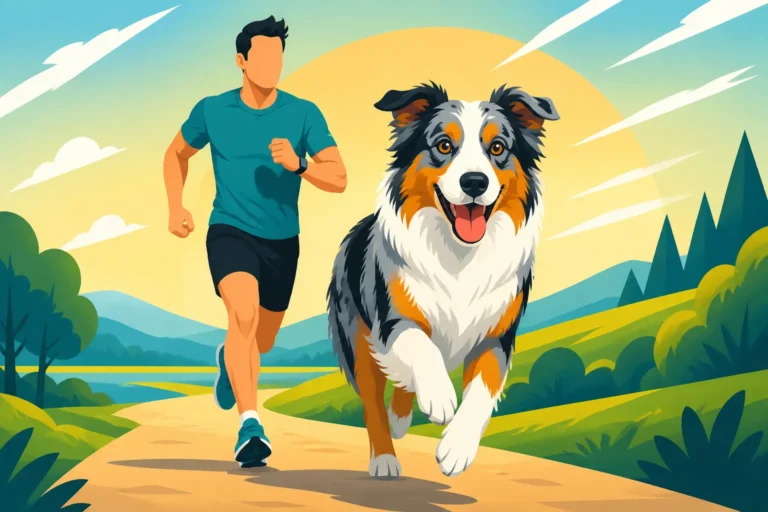
Those multi-mile runs or intense fetch sessions that defined your Aussie's youth might now be too much for their aging body. Instead of long, strenuous outings, think "shorter, more frequent, and gentler." Multiple shorter walks throughout the day can be more beneficial than one long slog, as it keeps their joints moving without overtaxing them. A slow, meandering sniffari, where your Aussie can explore scents at their own pace, can be incredibly enriching for their mind, even if it's not a cardio workout. This type of walk allows them to engage their powerful noses and process the world around them without putting excessive strain on their hips or elbows.
Pay close attention to your Aussie's cues. If they start lagging behind, panting excessively, or showing signs of stiffness during or after a walk, it's a clear signal to reduce the duration or intensity next time. The goal isn't to stop walking altogether, but to find the sweet spot where they get beneficial movement without pain. A gentle stroll around the block in the morning and evening can do wonders for maintaining muscle tone and joint flexibility, and for simply enjoying time outdoors with their favorite person. Remember, even older Aussies benefit from getting outside and engaging with the world, even if it's at a slower pace.
Low-Impact Activities and Gentle Play
High-impact activities like jumping, quick turns, and sprinting should generally be avoided or significantly modified for senior Aussies. These movements can put immense stress on already fragile joints. Instead, introduce low-impact alternatives. Swimming, for example, is fantastic for older dogs because it provides a full-body workout without any concussive impact on their joints. If you have access to a safe pool or calm body of water, it can be a wonderful way for your Aussie to build and maintain muscle mass. If swimming isn't an option, consider controlled leash walks on soft surfaces like grass or dirt trails, avoiding pavement as much as possible.
Gentle play sessions in the yard can also be adapted. Instead of throwing a ball for a full-speed retrieve, try rolling it slowly for a sniff and a gentle walk, or engage in short, low-key games of tug that don't involve sudden jerks or turns. Puzzle toys that encourage sniffing and gentle manipulation can provide mental stimulation without physical exertion. The key is to keep activities stimulating but safe, respecting their physical limitations. Remember, some exercise is always better than none for maintaining mobility and preventing further stiffness.
Recognizing Limits and Preventing Overexertion
One of the hardest parts of owning a senior Australian Shepherd is accepting that their body simply can't do what it used to. Aussies, by nature, are often "go-getters" who will push themselves even when they're in pain, driven by their incredible desire to work and please. This means you have to be their advocate and set appropriate limits. Pushing a senior Aussie too hard can lead to injury, increased pain, and a longer recovery time, making them even more reluctant to move in the future. It's much better to stop an activity before they show signs of fatigue or discomfort.
After any activity, monitor them closely for the next 24-48 hours. Is their stiffness worse? Are they more reluctant to get up? These are critical indicators that you've pushed them too far. It's a continuous learning process to find the right balance. Consider keeping a small log of activities and their subsequent impact. This data can help you fine-tune their routine. Retiring an Australian Shepherd From Work doesn't mean retiring them from joy; it means finding new ways to enjoy movement together that are appropriate for their changing bodies.
Managing Pain and Mobility Challenges
Pain is a silent adversary for many aging dogs, and Australian Shepherds are no exception. Their stoic nature, combined with their desire to remain active, often means they hide discomfort until it becomes quite advanced. As a responsible owner, learning to recognize subtle signs of pain and proactively seeking veterinary help is paramount to ensuring their quality of life in their senior years.
Identifying Arthritis and Joint Pain
Arthritis, or osteoarthritis, is incredibly common in older dogs and a leading cause of mobility issues in senior Australian Shepherds. This degenerative joint disease causes the cartilage in their joints to wear down, leading to bone-on-bone friction, inflammation, and pain. Signs can be subtle at first: a slight hesitation before jumping, a slower pace on walks, or increased stiffness after resting. You might notice them favoring a limb, or a slight change in their gait – perhaps a more shuffling walk rather than their usual agile stride. It's not always a dramatic limp; sometimes it's just a general reluctance to engage in activities they once loved.
Other signs can include licking or chewing at specific joints, whimpering when touched in certain areas, or even changes in temperament, becoming more irritable due to chronic discomfort. Cold or damp weather often exacerbates joint pain, so you might see these signs more prominently on certain days. It's easy to dismiss these as "just old age," but it's crucial not to. Many of these issues are manageable, and early intervention can make a significant difference. Pay particular attention to how they get up after a nap; a slow, stiff rise is a classic symptom of joint pain.
Veterinary Treatments and Pain Management
If you suspect your Aussie is experiencing joint pain or arthritis, the first step is always a veterinary visit. Your vet can perform a thorough physical examination, palpate joints, and often recommend X-rays to assess the severity of the arthritis. Once diagnosed, a treatment plan can be developed. Non-steroidal anti-inflammatory drugs (NSAIDs) are a cornerstone of pain management, effectively reducing inflammation and pain, helping your Aussie move more comfortably. However, NSAIDs require careful monitoring, especially for liver and kidney function, so regular Bloodwork Worth Running on a Senior Aussie will be necessary.
Beyond NSAIDs, other medications can be used, sometimes in combination, to target different aspects of pain. Injectable joint supplements, often given weekly initially then monthly, can help to lubricate joints and reduce inflammation. Some vets might explore newer medications specifically designed for osteoarthritis pain. Always follow your vet's instructions precisely regarding dosage and administration, and never give human pain relievers, as they can be toxic to dogs. The goal is not just to mask the pain but to improve their overall comfort and mobility so they can continue to enjoy their life.
Supportive Therapies and Aids
Medical management is often most effective when combined with supportive therapies and aids. Physical therapy, including controlled exercises, massage, and hydrotherapy (under supervision), can significantly improve mobility, strengthen supporting muscles, and reduce pain. Laser therapy and acupuncture are also gaining popularity for their anti-inflammatory and pain-relieving effects in aging dogs. These complementary therapies can sometimes reduce the reliance on medication or enhance its effectiveness.
At home, several aids can make a huge difference for Mobility Aids for an Old Australian Shepherd. Orthopedic beds provide better support for aching joints than traditional dog beds. Ramps or pet stairs can help your Aussie get onto furniture or into the car without painful jumping. Paw grips or non-slip booties can improve traction on slippery floors, reducing the risk of falls, especially if they have weaker hindquarters. Harnesses with handles can provide support when they need a little lift getting up or navigating stairs. These small adjustments can dramatically improve your senior Aussie's daily comfort and independence, allowing them to participate in family life more fully.
Comprehensive Veterinary Care and Health Monitoring
As your Australian Shepherd enters their senior years, regular veterinary care shifts from a focus on prevention to a more proactive approach to early detection and management of age-related health conditions. It's not just about treating problems as they arise, but about anticipating them and intervening before they significantly impact your Aussie's quality of life.
The Importance of Regular Senior Check-ups
Just like humans, older dogs benefit immensely from more frequent check-ups. Instead of an annual visit, your vet might recommend visits every six months for your senior Aussie. These appointments are crucial for catching health issues early when they are often more manageable. During these visits, your vet will perform a thorough physical exam, checking their teeth, eyes, ears, heart, lungs, and abdomen. They’ll also pay close attention to joint mobility and muscle mass, looking for any new lumps or bumps, and assessing their overall body condition.
These semi-annual visits also provide an opportunity to discuss any changes you've observed at home – subtle shifts in appetite, water intake, urination, bowel habits, energy levels, or behavior. Your observations are incredibly valuable pieces of the puzzle. The vet can track subtle changes in weight, joint flexibility, and even cognitive function over time, which might be missed with less frequent visits. How Often a Ten Year Old Aussie Needs Checking is often quite different from when they were two. This proactive monitoring can make a world of difference in your senior Aussie's comfort and longevity.
Common Senior Health Issues
Beyond arthritis, senior Australian Shepherds are susceptible to a range of age-related health conditions that warrant close monitoring. Kidney and liver disease are common, and often silent until advanced stages. Regular bloodwork, including organ function panels, can detect these issues early. Heart disease can also develop, often manifesting as a cough, reduced stamina, or difficulty breathing, making a yearly heart check vital. An Old Australian Shepherd Losing Its Sight and Hearing Loss in an Aging Australian Shepherd are also frequent occurrences. Your vet can check for cataracts, glaucoma, or other eye conditions, and discuss ways to help your dog adapt to vision or hearing loss.
Cognitive Dysfunction Syndrome (CDS), often compared to Alzheimer's in humans, can affect older Aussies. Signs include disorientation, changes in sleep-wake cycles, altered interactions with family members, and house-soiling accidents. Early detection of CDS can allow for interventions like special diets, supplements, and medications to slow its progression. Dental disease is also a persistent problem, with older dogs often suffering from significant plaque, tartar, and painful infections. Regular dental cleanings are just as important in their senior years as they were when they were younger.
Discussing Quality of Life with Your Vet
As your Australian Shepherd ages and health challenges accumulate, the concept of "quality of life" becomes a central theme in your discussions with your vet. This can be one of the hardest conversations to have, but it's essential. Quality of life isn't just about prolonging life; it's about ensuring the days they have left are good ones, free from excessive pain and filled with joy. Your vet can help you assess various factors:
- Pain Control: Is their pain adequately managed, or are there days where they are clearly suffering?
- Mobility: Can they still move around comfortably, get up to eat and drink, and go outside to relieve themselves?
- Appetite and Hydration: Are they eating and drinking enough?
- Mental Engagement: Do they still show interest in their surroundings and interact with the family?
- Joyful Moments: Are there still moments of happiness, tail wags, and engagement?
It's a holistic assessment, and your vet can provide an objective perspective, discussing diagnostic options, treatment efficacy, and ultimately, whether their good days still outweigh their bad. These conversations are an act of deep love and responsibility, ensuring that your loyal companion's final chapter is filled with dignity and comfort. The Last Months With an Australian Shepherd are precious, and your vet is there to help make them as good as possible.
Keeping Your Senior Aussie Mentally Engaged
Just because your Australian Shepherd is slowing down physically doesn't mean their brilliant mind has to follow suit. Aussies are renowned for their intelligence and problem-solving abilities, and maintaining mental engagement is crucial for their cognitive health and overall well-being as they age. A bored senior Aussie can quickly become depressed or even show signs of cognitive decline more rapidly.
Brain Games and Puzzle Toys
Interactive puzzle toys are fantastic for senior Aussies. These toys challenge them to figure out how to get a treat, using their nose and paws to manipulate parts of the toy. This provides mental stimulation without requiring significant physical exertion. Look for toys that aren't too frustrating or complicated, especially if their vision or dexterity is declining. You can find a great variety of these on Amazon or at pet stores like Chewy. Start with simpler puzzles and gradually increase the difficulty if your Aussie is enjoying the challenge.
Scent games are another excellent way to engage their powerful noses and minds. Hide treats around the house or yard and encourage them to "find it." This taps into their natural instincts and is often less physically demanding than a game of fetch. You can even invest in a snuffle mat, which is a fabric mat with various nooks and crannies where you can hide kibble or treats, allowing them to use their nose to forage for their meal. These activities are not only mentally stimulating but also a wonderful way to bond with your aging companion.
Continued Training and Gentle Learning
Training doesn't have to stop just because your dog is older. In fact, continuing to learn new tricks or reinforce old ones can be incredibly beneficial for their cognitive function. Keep sessions short, positive, and low-pressure. Focus on reinforcing basic obedience commands like "sit," "stay," and "down," or teach them fun, new, gentle tricks that don't involve jumping or strenuous movement. "Touch" (nose-targeting your hand), "wave," or "speak" are all great options.
Learning new things helps keep neural pathways active and can even help to slow the progression of cognitive decline. It also provides a sense of purpose and accomplishment, which is important for a breed that thrives on having a "job." If your Aussie previously loved agility or obedience, even modified versions can bring joy. A "senior rally" class or a low-impact "scent work" class might be perfect, allowing them to participate in a structured activity at their own pace. The key is to celebrate every success and keep it fun.
Maintaining Social Connections
Australian Shepherds are typically very social dogs, deeply bonded with their human families. Maintaining these social connections is just as important for their mental and emotional health in their senior years as it was when they were young. Don't isolate them just because they can't run with the kids or other dogs as much. Continue to include them in family activities, even if it means they're simply napping at your feet while you watch TV or observing from a comfortable spot in the garden.
Gentle interactions with familiar, calm dogs can still be beneficial. A quiet visit with a well-behaved canine friend in a controlled environment can provide positive social stimulation. If your Aussie enjoys the company of children, ensure interactions are supervised and gentle, with the children understanding that their older friend needs space and quiet time. Above all, continue to provide plenty of cuddles, gentle grooming, and quiet one-on-one time. Your presence and affection are profoundly comforting and help to reassure your senior Aussie that they are still a cherished and integral part of the family.
Creating a Comfortable and Safe Home Environment
Just as we might childproof our homes for a new puppy, it's equally important to "senior-proof" our homes for an aging Australian Shepherd. Their physical capabilities and sensory perceptions change, and simple adjustments can dramatically improve their comfort, safety, and independence. Creating an environment that accommodates their evolving needs shows them how much you care.
Adapting Living Spaces
Think about your Aussie's daily routine and identify areas where they might struggle. Slippery floors are a major hazard for older dogs with reduced traction or unsteady gait. Lay down non-slip rugs or runners on hard floors, especially in high-traffic areas or where they frequently get up and lie down. Ramps can be a lifesaver for helping them access the couch, bed, or even outdoor steps, preventing painful jumps and potential injuries. Consider a sturdy pet gate to block off stairs if they're a fall risk, or to create a safe, quiet space for them to rest without being disturbed by more energetic household members.
Ensure their sleeping area is warm, quiet, and easily accessible. Orthopedic beds are a fantastic investment, providing cushioning and support for their aching joints. Place their food and water bowls in an easily accessible location, perhaps raised, as discussed earlier. If your Aussie's eyesight is diminishing, try to keep furniture arrangements consistent and avoid clutter, making it easier for them to navigate their familiar surroundings. Night lights can also be helpful for those late-night potty breaks, helping them avoid bumping into things.
Grooming Adjustments for Senior Comfort
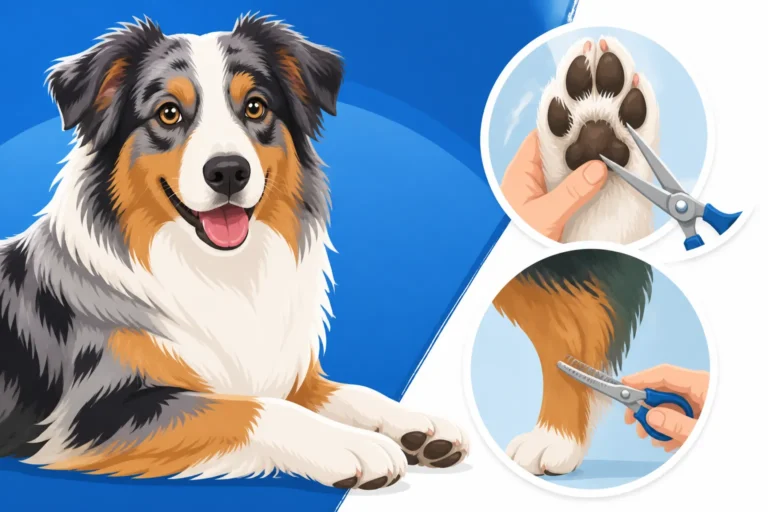
Grooming might become more challenging for an aging Australian Shepherd, both for them and for you. Stiffness and pain can make standing for long periods or being handled in certain ways uncomfortable. Adjust your grooming routine to be shorter, more frequent, and gentler. Use a soft brush for their coat, paying extra attention to areas where mats might form, especially behind the ears, in the armpits, and on their feathered legs and tail. These areas can be painful if matted, and their decreased mobility might make self-grooming difficult. Grooming an Arthritic Australian Shepherd requires patience and care.
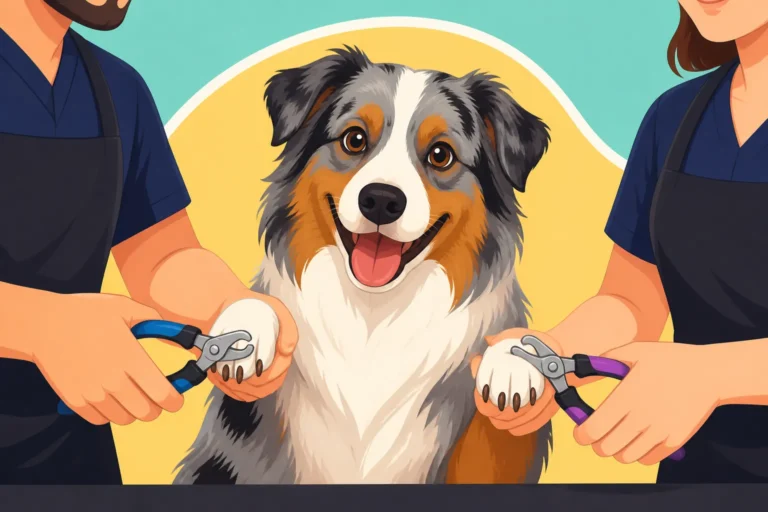
Regular nail trims are crucial, as overgrown nails can make walking painful and alter their gait, exacerbating joint issues. If they're sensitive, consider using a Dremel tool for a smoother, less invasive trim. Pay attention to their paw pads, keeping them moisturized to prevent cracking. Cleaning their ears regularly is also important, as older Aussies can be more prone to ear infections. If they struggle to stand for grooming, try having them lie down or lean against you for support. A professional groomer who specializes in senior dogs might also be a valuable resource.
Navigating Sensory Changes
Many senior Aussies experience some degree of decline in their sight, hearing, and even smell. These changes can be disorienting and sometimes frightening for them. If your Aussie's vision is failing, rely more on verbal cues and physical touch. Speak to them softly before approaching so you don't startle them. Keep their environment consistent and avoid moving furniture. If their hearing is declining, incorporate more hand signals into your communication, which can also be a fun new "trick" for them to learn.
Their sense of smell might also diminish, impacting their appetite or their ability to track scents. As mentioned earlier, making food more enticing can help. Be patient and understanding with these changes. They might seem confused or even a bit clumsy at times, but it’s often a result of their sensory world shifting. Provide reassurance, maintain a calm demeanor, and celebrate their ability to adapt. These adjustments allow your senior Aussie to continue to feel secure and loved, navigating their world with confidence, even if it's a little blurrier or quieter than it once was.
Disclaimer
This article is for general informational purposes only and does not constitute professional advice. Laws, prices and regulations vary by location and change over time. Consult a qualified professional for guidance on your specific situation.